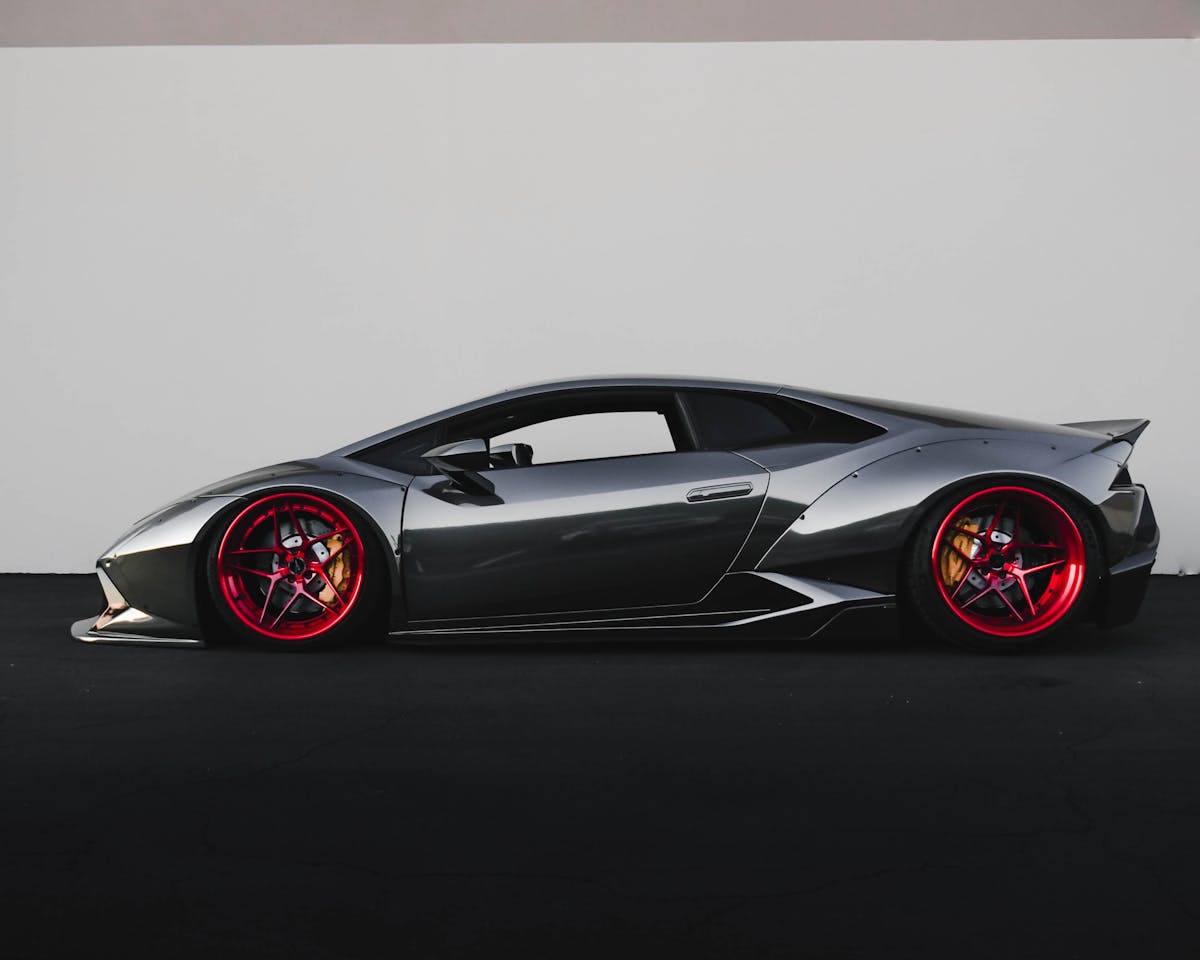
The landscape of European cars in India is set for a dramatic transformation. With the India-EU free trade agreement on the horizon, import tariffs on European-made cars will progressively decrease from a steep 110% to just 10%. This monumental shift could make owning a premium European vehicle significantly more accessible to Indian buyers.
Understanding the Current Tariff Structure
Currently, importing European cars into India comes with substantial financial implications. The existing tariff structure includes:
- Basic customs duty ranging from 60% to 100% depending on the engine capacity and CIF (Cost, Insurance, and Freight) value
- Additional cess and GST pushing the total effective tariff to approximately 110%
This has made European luxury cars prohibitively expensive for most Indian consumers, with prices often doubling or tripling compared to their European counterparts.
The Game-Changing India-EU Free Trade Agreement
Tariff Reduction: 110% → 10%
Progressive reduction over several years
The proposed India-EU free trade agreement promises a phased reduction of these tariffs from 110% to 10%. This progressive tariff reduction will unfold over several years, making European automobiles increasingly competitive in the Indian market. The agreement represents one of the most significant policy shifts in India's automotive import landscape.
European Cars Currently Available in India
German Luxury Brands
Mercedes-Benz
Mercedes-Benz maintains a strong presence in India with models ranging from the A-Class sedan to the flagship S-Class.
Popular models: C-Class, E-Class, GLE, GLC SUVs, AMG variants
BMW
BMW offers an extensive lineup including sedans, SUVs, and electric vehicles.
Popular models: 2 Series, 3 Series, 5 Series, X1, X3, X5, iX, M Performance
Audi
Audi's India portfolio includes sedans, SUVs, and electric vehicles.
Popular models: A4, A6, Q3, Q5, Q7, Q8, e-tron series, RS variants
Porsche
The iconic sports car manufacturer offers high-performance vehicles.
Popular models: 911, Cayenne, Macan, Panamera, Taycan
British Luxury
Jaguar Land Rover
Premium SUVs and luxury sedans with British heritage.
Models: Range Rover, Range Rover Sport, Defender, F-Type, F-Pace SVR
Rolls-Royce
Ultra-luxury vehicles representing the pinnacle of automotive craftsmanship.
Models: Phantom, Ghost, Cullinan, Spectre
Bentley
Luxury grand tourers and SUVs combining performance with opulence.
Models: Continental GT, Flying Spur, Bentayga
Mini
Premium compact cars with distinctive British styling.
Models: Countryman, Clubman, Cooper
Italian Flair
Ferrari
Legendary supercars with racing heritage.
Models: Roma, Portofino, F8 Tributo, 812 Superfast, SF90
Lamborghini
Exotic supercars and luxury SUVs.
Models: Huracán, Urus
Maserati
Italian luxury with distinctive styling.
Models: Ghibli, Levante, Quattroporte, MC20
Other European Brands
Volvo (Swedish)
Safety-focused luxury vehicles and electric models.
Models: XC40, XC60, XC90, S90, XC40 Recharge, C40 Recharge
Citroën (French)
French sophistication with unique design philosophy.
Fully imported models could benefit from the agreement
Skoda (Czech)
Value-oriented European engineering.
Premium variants and CBU imports could become more affordable
Price Impact: What to Expect
The reduction from 110% to 10% tariff could translate to price drops of 30-50% on various European models. For example:
Luxury Sedans
Currently: ₹80 lakhs
Potential: ₹50-55 lakhs
Premium SUVs
Currently: ₹1-1.5 crore
Potential: ₹70-90 lakhs
Ultra-Luxury
Currently: ₹3+ crores
Potential: Several crores reduction
Note: These are estimated figures, and actual prices will depend on various factors including exchange rates, manufacturer pricing strategies, and the phased implementation timeline.
Benefits for Indian Consumers
Wider Choice
Lower tariffs will likely encourage European manufacturers to introduce more variants and models previously considered unviable for the Indian market.
Better Specifications
Manufacturers may offer higher specification levels and more optional features as the overall cost structure improves.
Advanced Technology
European cars are renowned for cutting-edge safety features, driver assistance systems, and powertrains. More Indians will gain access to these technologies.
Electric Vehicle Options
European electric and hybrid vehicles could become price-competitive, supporting India's push toward sustainable mobility.
Impact on the Indian Automotive Market
The tariff reduction will intensify competition in the luxury segment, potentially pressuring domestic manufacturers to elevate their offerings. It could also boost the pre-owned European car market as supply increases and newer models become more accessible.
Service networks for European brands will likely expand to cater to increased demand, improving the ownership experience across tier-2 and tier-3 cities.
Timeline and Implementation
While the exact implementation timeline hasn't been finalized, such agreements typically feature a gradual tariff reduction over 5-10 years. Early-phase reductions might bring tariffs down to 70-80%, with subsequent phases achieving the target 10% rate.
Typical Implementation Phases:
- Phase 1 (Years 1-2): 110% → 80-90%
- Phase 2 (Years 3-5): 80-90% → 50-60%
- Phase 3 (Years 6-8): 50-60% → 25-30%
- Final Phase (Years 9-10): 25-30% → 10%
What Should Buyers Do?
For those considering European cars in India:
Wait for Clarity
Official announcements about implementation timelines will help plan purchases strategically.
Research Models
Identify which European cars currently interest you and monitor pricing trends.
Consider Timing
Early-phase reductions might offer good value, though maximum savings will come later in the implementation schedule.
Evaluate Total Ownership
Lower purchase prices should be balanced against maintenance, insurance, and running costs.
Frequently Asked Questions (FAQ)
1. How much will European car prices drop in India after the EU free trade agreement?
European car prices could drop by 30-50% as import tariffs reduce from 110% to 10%. A luxury sedan currently priced at ₹80 lakhs could potentially retail for ₹50-55 lakhs.
2. Which European car brands will benefit from the India-EU free trade agreement?
All European brands including Mercedes-Benz, BMW, Audi, Porsche, Jaguar Land Rover, Ferrari, Lamborghini, Volvo, and others will benefit from reduced import tariffs.
3. When will the India-EU free trade agreement be implemented?
While the exact timeline hasn't been finalized, such agreements typically feature gradual tariff reduction over 5-10 years, with early-phase reductions bringing tariffs down to 70-80%.
4. What is the current import tariff on European cars in India?
Currently, European cars face import tariffs of approximately 110%, including basic customs duty (60-100%), additional cess, and GST, making them prohibitively expensive.
5. Should I wait to buy a European car in India?
It depends on your timeline and needs. While maximum savings will come later in the implementation schedule, early-phase reductions might offer good value for those who can't wait.
Conclusion
The India-EU free trade agreement represents a watershed moment for European cars in India. The progressive tariff reduction from 110% to 10% will democratize access to premium European engineering, safety, and luxury. While ultra-luxury brands will remain aspirational, many European models could enter the consideration set of upper-middle-class buyers currently focused on premium Japanese or Korean alternatives.
As this agreement moves toward implementation, the Indian automotive landscape will transform, offering consumers unprecedented choice in the European luxury and performance segment. The future of European cars in India looks not just promising but revolutionary.
Plan Your Investment Strategy
While you wait for European car prices to drop, use our SWP calculator to plan your investment strategy and build wealth for your future luxury car purchase.
Calculate Your Investment Strategy